Categories
Weight Loss Exercise

Home Fitness Equipment

I have written quite a bit over the last week about what you need as far as home fitness equipment goes but thought I would just round out this week with an overview of what you should have for equipment. So here is what I think that you should try to accumulate over the next while.

Weightlifting Home Fitness Equipment

Home Fitness Equipment

Home Fitness Equipment

Mats– The most basic piece of fitness equipment is an exercise mat. You need an exercise mat for doing stretching as well as for doing abs and an exercise mat is always good for lying on when you are tired from a tough set or some cardio

Dumbells – Dumbells are those short bars with the weights on them. Who cares about them all matching but you want to probably have pairs of 5, 10, 15, 20 and 25 pounds and sometimes even a pair of 3 pound weights are good to carry while you are running or doing other cardio. These all come in handy for lots of your exercises

Barbell – This is just a big long bar. The barbell bar weighs I believe 20 pounds although ones at the gym will 45 pounds. Then of course you need weights to put on this bar. Remember that anytime that you are using a barbell you are lifting more and in the case of bench presses or even military presses you can get yourself into real trouble if you do not have a spotter.

Weight Bench – This is the staple of home fitness equipment. There are thousands of benches both good and bad gathering dust in garages and basements across the country, it should be pretty easy to find a cheap bench and you will use this for flyes, bench press, seated curls, tricep extensions, crunches, one armed rows. I think you get the picture this is a great thing to have around.

Cardio Home Fitness Equipment

This is definitely a personal decision as I have written before. A piece of cardio equipment or two is expensive and so there is a lot of thought that goes into whether you are going to buy one or not. Here are the choices though.

Elliptical Trainer – This is the newest most popular type of home fitness equipment. An elliptical trainer will allow you to work out your arms an legs and is very low impact. I know that Paul Plakas on the TV show X-Weighted though is not a fan of the elliptical trainer though, he says that using it just makes you get at the elliptical trainer. I will have to find out what he means by that.

Exercise Bike – These are great in that you can read a book or watch TV comfortably while beating up on your legs.

Treadmill – This will replace running or walking in the Winter and can be changed up by having weights in your hands that allow you to work your upper body somewhat while getting your leg workout in.

Rowing machine – I have never owned a rowing machine but I know that people swear by them. Rowing machines are a great piece of home fitness equipment in that they work almost all of your muscle groups and the equipment is also really easy to store in a closet or under a bed, very out of sight so you do not feel guilty about not working out today.

This about covers home fitness equipment. Anything that I missed? I know that the first article that I wrote talked about using soup cans and stuff but if you really are motivated to get in better shape this Winter then you can either join a gym or get the stuff that you need at home. One way or another I think that home fitness equipment is a key decision in your quest for a healthier future.


Categories
Weight Loss Exercise

Taking care of Contact Lenses

Taking care of Contact Lenses is critical to protect your sight. Yesterday I switched back to contact lenses from glasses. I have worn contacts off and on for the last 25 years or so and over the last three years I have almost exclusively worn contact lenses. I rememver the last time that I got contact lenses the eye doctor asked me how long I wore my contact lenses and I replied “about 12 hours a day”, he was shocked and asked me what I had against my eyes to treat them so badly. I am sure that I will be better this time around.

Taking care of Contact Lenses

Taking care of Contact Lenses

More than 30 million Americans use contact lenses, according to the Contact Lens Council. In addition to offering flexibility, convenience, and a “no-glasses” appearance, “contacts” help correct a variety of vision disorders, including nearsightedness, farsightedness, astigmatism, and poor focusing with reading material.

But contact lenses also present potential risks. “Because they are worn directly on the eye, they can lead to conditions such as eye infections and corneal ulcers,” says James Saviola, Branch Chief for FDA’s Division of Ophthalmic and Ear, Nose and Throat Devices. “These conditions can develop very quickly and can be very serious. In rare cases, they can lead to blindness.”

Best strategies for contact lens safety involve maintenance, cleanliness, and learning as much about it as you can.

Tips for Buying Contact Lenses

With a valid prescription, it is possible to purchase contact lenses from stores, the Internet, over the phone or by mail. But be extremely cautious when buying contacts from someone other than your eye care professional.

Contact lenses are NOT over-the-counter devices. Companies that sell them as such are misbranding the device and violating FTC regulations by selling you contact lenses without having your prescription.

Avoiding Contact Lense problems

  • Make sure your prescription is current. Don’t order with an expired prescription, and don’t stock up on lenses right before the prescription is about to expire. If you haven’t had your eyes checked within the last year or two, you may have eye problems that you are not aware of, or your lenses may not correct your vision well.
  • Order from a supplier that you are familiar with and know is reliable.
  • Beware of attempts to substitute a different brand than you presently have. There are differences in the water content and shape among the brands. The correct choice of which lens is right for you should be based only on an examination by your eye care professional.
  • Request the manufacturer’s written patient information for your contact lenses. It will give you important risk/benefit information and instructions for use.
  • Make sure that you get the exact brand, lens name, power, sphere, cylinder (if any), axis (if any), diameter, base curve, and peripheral curves (if any) noted on the prescription. If you think you’ve received an incorrect lens, check with your eye care professional. Don’t accept a substitution unless your eye care professional approves it.

Taking care of Contact Lenses

Contact lens users run the risk of infections such as pink eye (conjunctivitis), corneal abrasions, and eye irritation. A common result of eye infection is corneal ulcers, which are open sores in the outer layer of the cornea. Many of these complications can be avoided through everyday care of the eye and contact-lenses.

To reduce your chances of infection

  • Replace your contact lens storage case every 3-6 months.
  • Clean and disinfect your lenses properly.
  • Never transfer contact lens solutions into smaller travel size containers. This can affect sterility and may also leave you open to accidentally applying a harmful liquid to your eyes.
  • Avoid non-sterile water. Distilled water and tap water are not sterile and should not be used.
  • Never use homemade saline solution, as tap and distilled water are not sterile.
  • Never put your lenses in your mouth; saliva is not sterile.
  • Always use fresh contact lens solution. Never reuse the lens solution.
  • Remove your contact lenses before swimming.

Don’t wear your contact lenses overnight. This in itself will protect your eyes and helps in taking care of contact lenses. This is a real chance for infection and has to be avoided. This is because contact lenses stress the cornea by reducing the amount of oxygen to the eye. They can also cause microscopic damage to the surface of the cornea, making it more susceptible to infection.

Never ignore symptoms of eye irritation or infection that may be associated with wearing contact lenses. The symptoms include discomfort, excess tearing or other discharge, unusual sensitivity to light, itching, burning, gritty feelings, unusual redness, blurred vision, swelling and pain.

If you experience any contact lense infection symptoms

Remove your lenses immediately and keep them off.
Keep the lenses. They may help your eye care professional determine the cause of your symptoms.
Get in touch with your eye care professional immediately.

Let me know if you have any more tips for all of us. Taking care of contact lenses and your eyes is a very good idea.

Categories
Weight Loss Products

Science or Snake Oil: is Garcinia cambogia the magic weight-loss pill it’s hyped up to be?

The burgeoning field of complementary medicines, including weight-loss products, is now a billion-dollar industry. Every year, more people are spending disposable income on complementary and alternative medicines that may prove to have no benefit for our health.

Garcinia Cambogia is one such example. Marketed as a weight-loss pill, it has had an exponential rise in sales since it was featured on the Doctor Oz show.

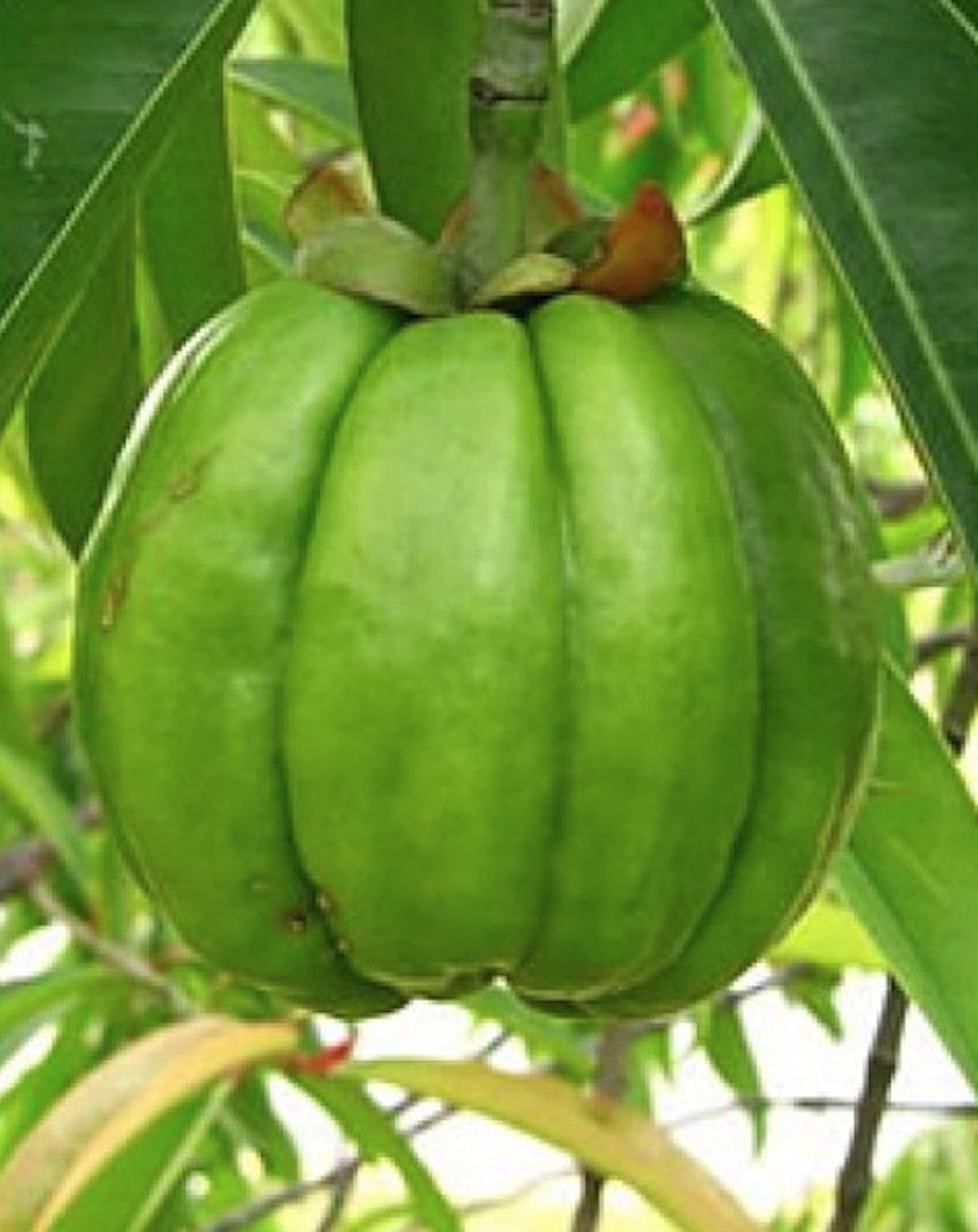
Garcinia cambogia is the former scientific name of a native Southeast Asian plant, belonging to the family Clusiaceae, that bears a pumpkin-shaped fruit. The skin of the fruit contains the active ingredient, hydroxycitric acid (HCA). HCA inhibits an enzyme that produces fatty acid, thus suppressing fatty acid and the processing of cholesterol.

But does this mode of action translate to the weight-loss claims associated with it? Or is it just clever marketing convincing us this product helps us lose weight?

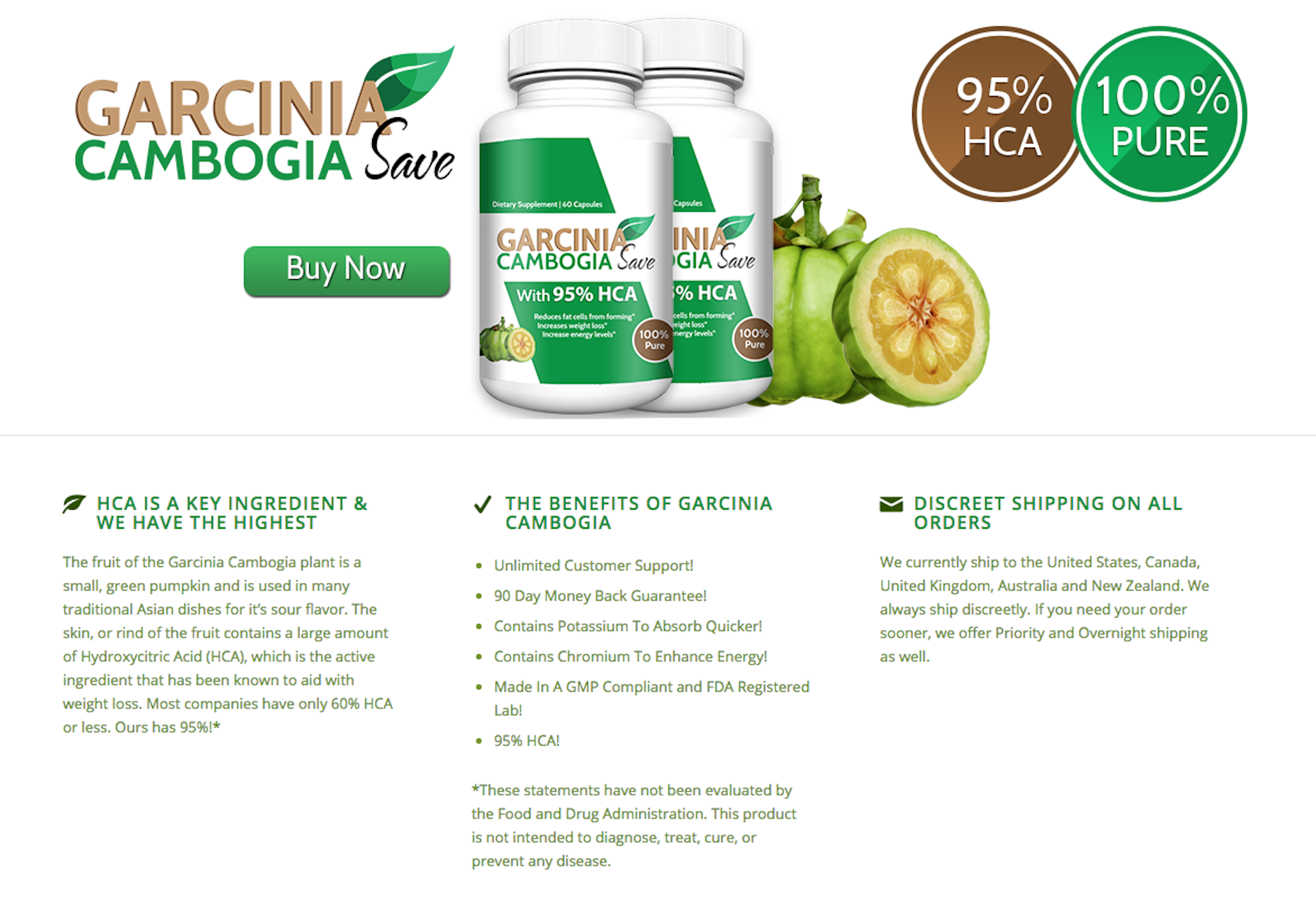
An Australian advertisement for the weight-loss supplement Garcinia Cambogia.
Screenshot, http://www.garciniacambogiasave.com/, CC BY

Double-blinded, randomised controlled trials are the gold standard of clinical study and whenever possible should be conducted to test the effectiveness of a treatment compared to a placebo. Weight-loss products should be assessed for a minimum of six months, with a further six-month follow-up period (12 months total).

There has never been a long-term study investigating the efficacy of Garcinia Cambogia. Most of the studies have been conducted in animals.

In fact, the majority of well-designed trials investigating the effect of this product on weight loss have found no effect that is of clinical relevance. In a 12-week double-blind, placebo-controlled trial conducted in humans, people receiving 3000mg of Garcinia Cambogia extract (1500mg of the active component HCA) per day lost the same amount of weight as the control group.

Another 12-week study with a four-week follow-up (16 weeks total) also found no greater weight-loss effect than for a placebo control group. For those studies where a statistically significant effect was reported, the weight loss was around one kilogram more than for those receiving a placebo pill.

Positive and greater weight losses were found in some studies, but this effect is suppressed when looking at all of the studies combined.

The Garcinia Cambogia plant.
Livia Lacolare/Flickr, CC BY

With respect to other health benefits from taking this supplement, the evidence to suggest it can improve blood cholesterol levels is lacking.

Most importantly, the product safety profile of Garcinia Cambogia has been adequately tested and there appear to be no issues.

Some complementary medicines have been found to contribute to improved health outcomes, through increased efficacy and cost-effectiveness. However, if there is to be a role for such complementary and alternative weight-loss products and medicines, we must build upon the evidence to investigate whether these increasingly popular products are a viable treatment option.

A recent Obesity Australia and Price Waterhouse Coopers report found obesity cost Australia A$8.6 billion in 2011-2012, with the indirect costs far higher. We must establish whether complementary medicines have a role to play in preventing and treating obesity. If we take no action to reduce obesity rates, an additional 2.4 million people will become obese at a cost of $87.7 billion over 10 years.


Please visit this website if you’re interested in taking part in our clinical weight-loss trials on Garcinia Cambogia and other weight-loss supplements.