How long should you exercise? Experts say that you should exercise for at least 20 minutes a day. I don’t know about you but 20 minutes is not a long time to exercise. If you get up just 10minutes early and get 20 minutes of exercise the you will have to rush around and still get to work on time.
20 minutes for exercise is easy to find.
If you have dinner a few minutes early and then do the cleaning up and have your workout before starting your evening routine you will never miss the time. If you are really ambitious you can wolf down lunch and go for a walk or some other exercise at lunch.
20 minutes exercise twice a day for the extra ambitious
How about getting some exercise on the way to work. I feel blessed that I can ride my bike to work but soon the weather will turn too cold aqnd I will need to drive. But you can just park a few blocks from work and walk to work. After work you get that time to unwind walking back to the car or the bus or train.
Try to be creative. There are many ways to get exercise every day and if it is important you will find the way.
Often things take a bit of time to take affect. Sometimes you do all the right things but see no results and change tactics, don’t do that ride it out instead.
When people start a new diet they get excited do all the right things and then in the first week they lose 5 pounds or so and are very excited with the results, then the next week comes and the only lose a pound or nothing at all and discouragement sets in.
What Are Yoyo Diets?
You hear a lot about yoyo dieting, gaining and losing only to gain it back again and often this will happen because people become discouraged and don’t let the changes that they are making to take affect and change to a different type of diet.
Although our bodies are complex and in many ways can change very very quickly, losing does not tend to be one of these things
If you eat all of the right foods and get the exercise that you need and then at the end of the week you have not lost any is it because the diet and exercise are not working?
probably not.
Often when you make big changes your body will start a bit of a backlash. You will retain water, your metabolism will slow down in fear of starvation or your body will just not have caught up with the changes.
You Need To Wait for Weight Loss Changes
Often the diet and exercise changes that you make will not show up for a couple or even three weeks. Many of the big diet companies know this. Jenny Craig only has you weigh in once a week as does Weight Watchers and Weight Watchers cautions people not to weigh themselves at all during the week.
As you have probably noticed beofre your will fluctuate all over the place during a single day so any changes that you see are very hard to predict from week to week even.
Stay on a course doing the right things and give yourself at least a few months to see if you are tending in the right direction.
Do not just take the scale into account but also look at how you feel, how your health is, how your energy is and how well you are sleeping. What you want out of any diet and exercise program is to improve all areas of your life, not just the bathroom scale
The burgeoning field of complementary medicines, including weight-loss products, is now a billion-dollar industry. Every year, more people are spending disposable income on complementary and alternative medicines that may prove to have no benefit for our health.
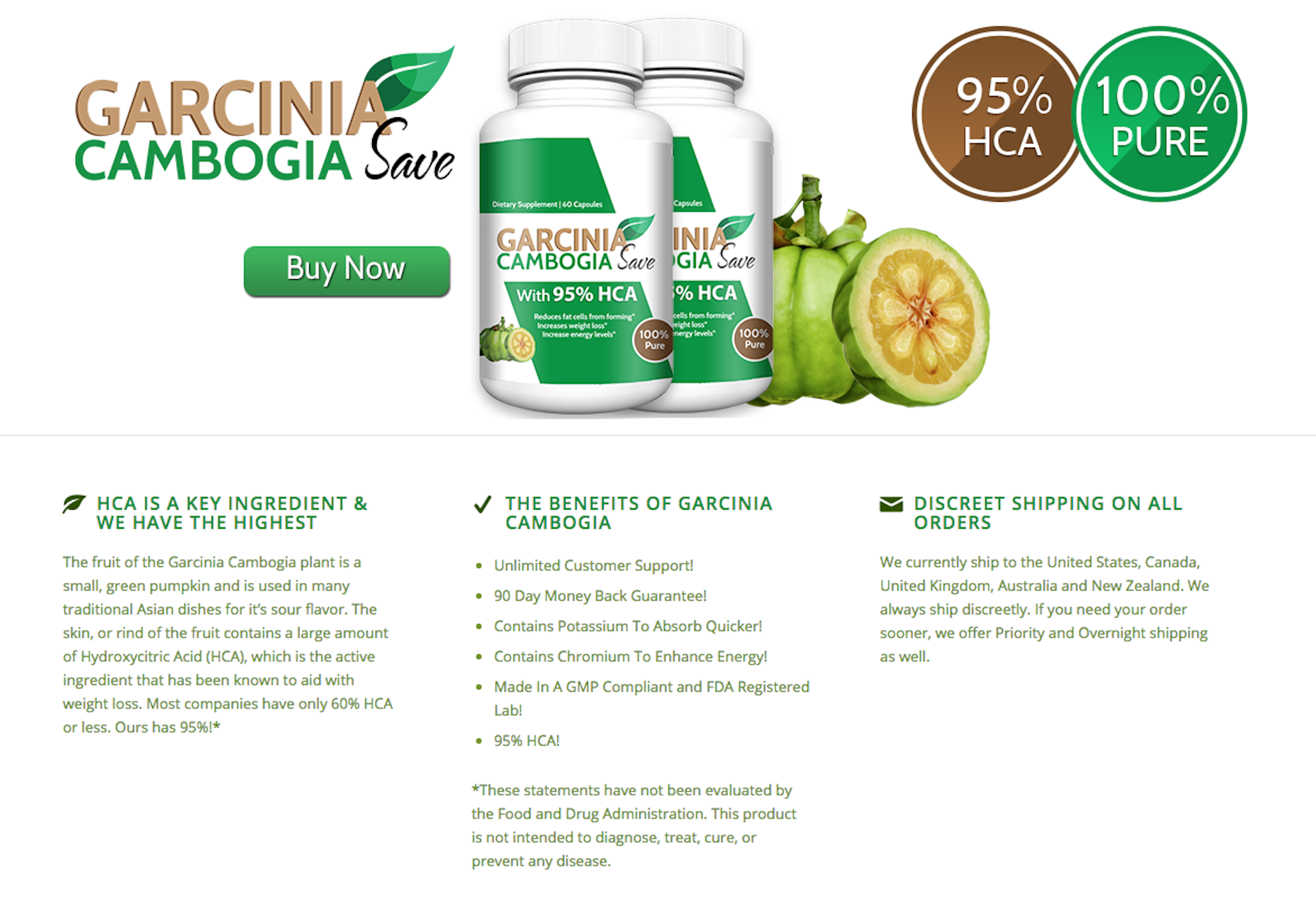
Garcinia Cambogia is one such example. Marketed as a weight-loss pill, it has had an exponential rise in sales since it was featured on the Doctor Oz show.
Garcinia cambogia is the former scientific name of a native Southeast Asian plant, belonging to the family Clusiaceae, that bears a pumpkin-shaped fruit. The skin of the fruit contains the active ingredient, hydroxycitric acid (HCA). HCA inhibits an enzyme that produces fatty acid, thus suppressing fatty acid and the processing of cholesterol.
But does this mode of action translate to the weight-loss claims associated with it? Or is it just clever marketing convincing us this product helps us lose weight?
Double-blinded, randomised controlled trials are the gold standard of clinical study and whenever possible should be conducted to test the effectiveness of a treatment compared to a placebo. Weight-loss products should be assessed for a minimum of six months, with a further six-month follow-up period (12 months total).
There has never been a long-term study investigating the efficacy of Garcinia Cambogia. Most of the studies have been conducted in animals.
In fact, the majority of well-designed trials investigating the effect of this product on weight loss have found no effect that is of clinical relevance. In a 12-week double-blind, placebo-controlled trial conducted in humans, people receiving 3000mg of Garcinia Cambogia extract (1500mg of the active component HCA) per day lost the same amount of weight as the control group.
Another 12-week study with a four-week follow-up (16 weeks total) also found no greater weight-loss effect than for a placebo control group. For those studies where a statistically significant effect was reported, the weight loss was around one kilogram more than for those receiving a placebo pill.
Most importantly, the product safety profile of Garcinia Cambogia has been adequately tested and there appear to be no issues.
Some complementary medicines have been found to contribute to improved health outcomes, through increased efficacy and cost-effectiveness. However, if there is to be a role for such complementary and alternative weight-loss products and medicines, we must build upon the evidence to investigate whether these increasingly popular products are a viable treatment option.
A recent Obesity Australia and Price Waterhouse Coopers report found obesity cost Australia A$8.6 billion in 2011-2012, with the indirect costs far higher. We must establish whether complementary medicines have a role to play in preventing and treating obesity. If we take no action to reduce obesity rates, an additional 2.4 million people will become obese at a cost of $87.7 billion over 10 years.
Please visit this website if you’re interested in taking part in our clinical weight-loss trials on Garcinia Cambogia and other weight-loss supplements.