Categories
Weight Loss Products

Thrive Patch Review: Weight Loss, Safety, Side Effects

No studies have assessed the effectiveness of the Thrive Patch for weight loss.

However, three of the ingredients in the Thrive Patch have been studied in this regard.

ForsLean

The effects of the herb Coleus forskohlii on weight has been studied in two small randomized, double-blind, controlled studies — one in men and one in women.

In women, it had no effect on weight, but the herb was noted to have a small effect on body composition in men and resulted in a 4% reduction in body fat (2, 3).

However, the results in the men’s study were variable and the effect on body weight insignificant.

Green Coffee Bean Extract

Green coffee beans are unroasted. They’re a source of chlorogenic acid, a carbohydrate blocker that aids weight loss by blocking the absorption of carbs.

One 12-week study found that participants drinking coffee enriched with chlorogenic acid lost an average of 11.9 pounds (5.4 kg), compared to 3.8 pounds (1.7 kg) for the control group that received regular coffee (4).

However, another study on coffee bean extract found that it had no significant effect on weight (5).

Garcinia Cambogia

Garcinia cambogia is a popular weight loss supplement. It’s said to aid weight loss by increasing fat burning and reducing appetite.

Results of weight loss studies have been mixed, with the positive studies only showing marginal effects (6).

For example, in one 12-week study, participants taking the supplement only lost 1.94 pounds (0.88 kg) more than the control group (7).

Effectiveness of the Patch’s Technology

Overall, research to support that any of the active ingredients in the Thrive Patch are effective for weight loss is currently insufficient.

Additionally, it’s unclear how much of the active ingredients are in the patch and whether they’re present in sufficient amounts to have any effect.

Dermal fusion technology (DFT) — the technology used to deliver the ingredients — has also not been studied, and it’s impossible to know how effective it is at delivering the active ingredients from the patch through your skin.

This means that in addition to a lack of evidence for the effectiveness of the ingredients within the patch, it’s currently unclear whether the patches are even able to increase your blood levels of these active ingredients.

Summary Research to back up claims that the Thrive Patch or its individual ingredients aid weight loss is currently lacking. The technology used to deliver active ingredients through the skin has also not been studied.

Categories
Weight Loss Products

Science or Snake Oil: is Garcinia cambogia the magic weight-loss pill it’s hyped up to be?

The burgeoning field of complementary medicines, including weight-loss products, is now a billion-dollar industry. Every year, more people are spending disposable income on complementary and alternative medicines that may prove to have no benefit for our health.

Garcinia Cambogia is one such example. Marketed as a weight-loss pill, it has had an exponential rise in sales since it was featured on the Doctor Oz show.

Garcinia cambogia is the former scientific name of a native Southeast Asian plant, belonging to the family Clusiaceae, that bears a pumpkin-shaped fruit. The skin of the fruit contains the active ingredient, hydroxycitric acid (HCA). HCA inhibits an enzyme that produces fatty acid, thus suppressing fatty acid and the processing of cholesterol.

But does this mode of action translate to the weight-loss claims associated with it? Or is it just clever marketing convincing us this product helps us lose weight?

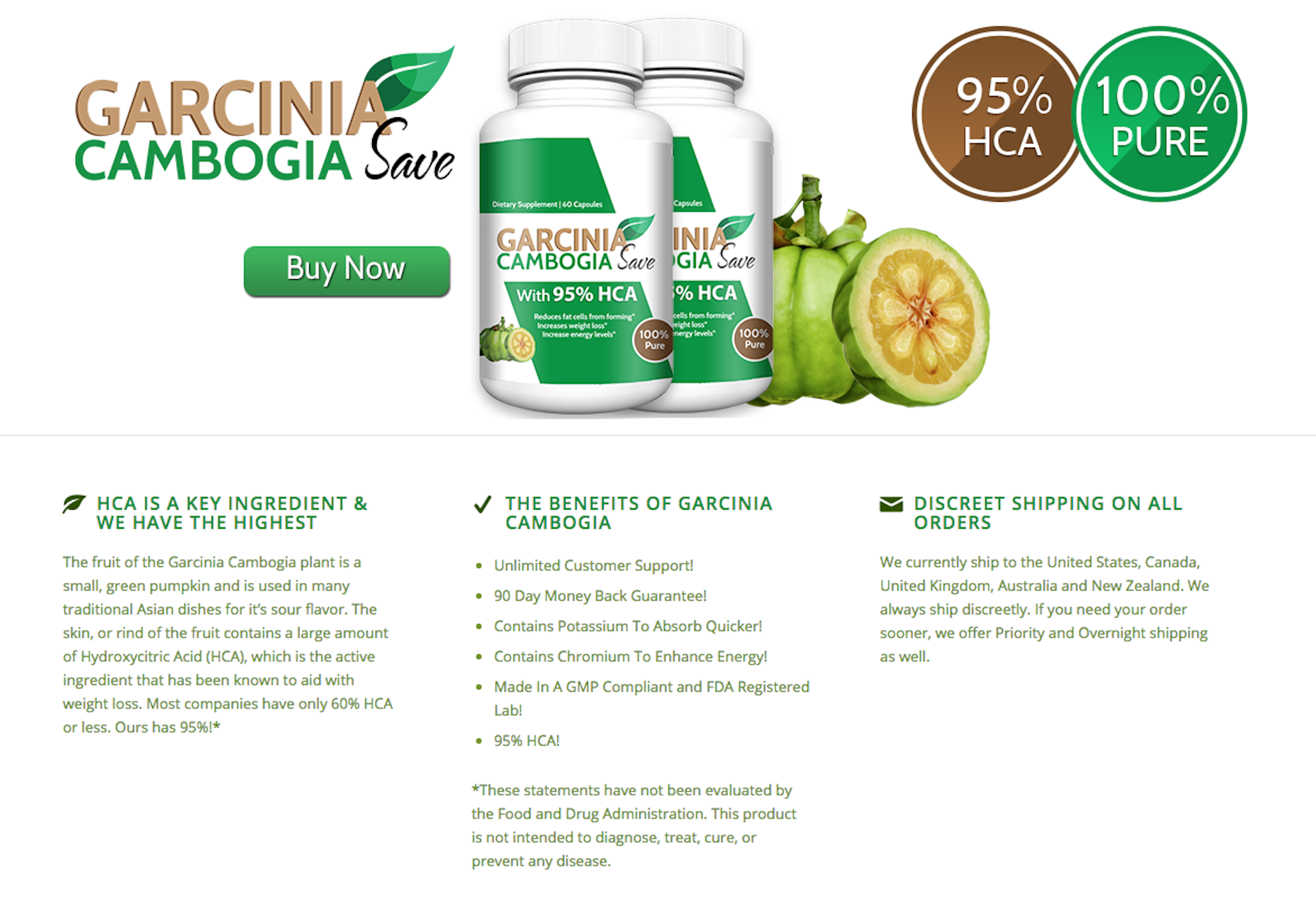
An Australian advertisement for the weight-loss supplement Garcinia Cambogia.
Screenshot, http://www.garciniacambogiasave.com/, CC BY

Double-blinded, randomised controlled trials are the gold standard of clinical study and whenever possible should be conducted to test the effectiveness of a treatment compared to a placebo. Weight-loss products should be assessed for a minimum of six months, with a further six-month follow-up period (12 months total).

There has never been a long-term study investigating the efficacy of Garcinia Cambogia. Most of the studies have been conducted in animals.

In fact, the majority of well-designed trials investigating the effect of this product on weight loss have found no effect that is of clinical relevance. In a 12-week double-blind, placebo-controlled trial conducted in humans, people receiving 3000mg of Garcinia Cambogia extract (1500mg of the active component HCA) per day lost the same amount of weight as the control group.

Another 12-week study with a four-week follow-up (16 weeks total) also found no greater weight-loss effect than for a placebo control group. For those studies where a statistically significant effect was reported, the weight loss was around one kilogram more than for those receiving a placebo pill.

Positive and greater weight losses were found in some studies, but this effect is suppressed when looking at all of the studies combined.

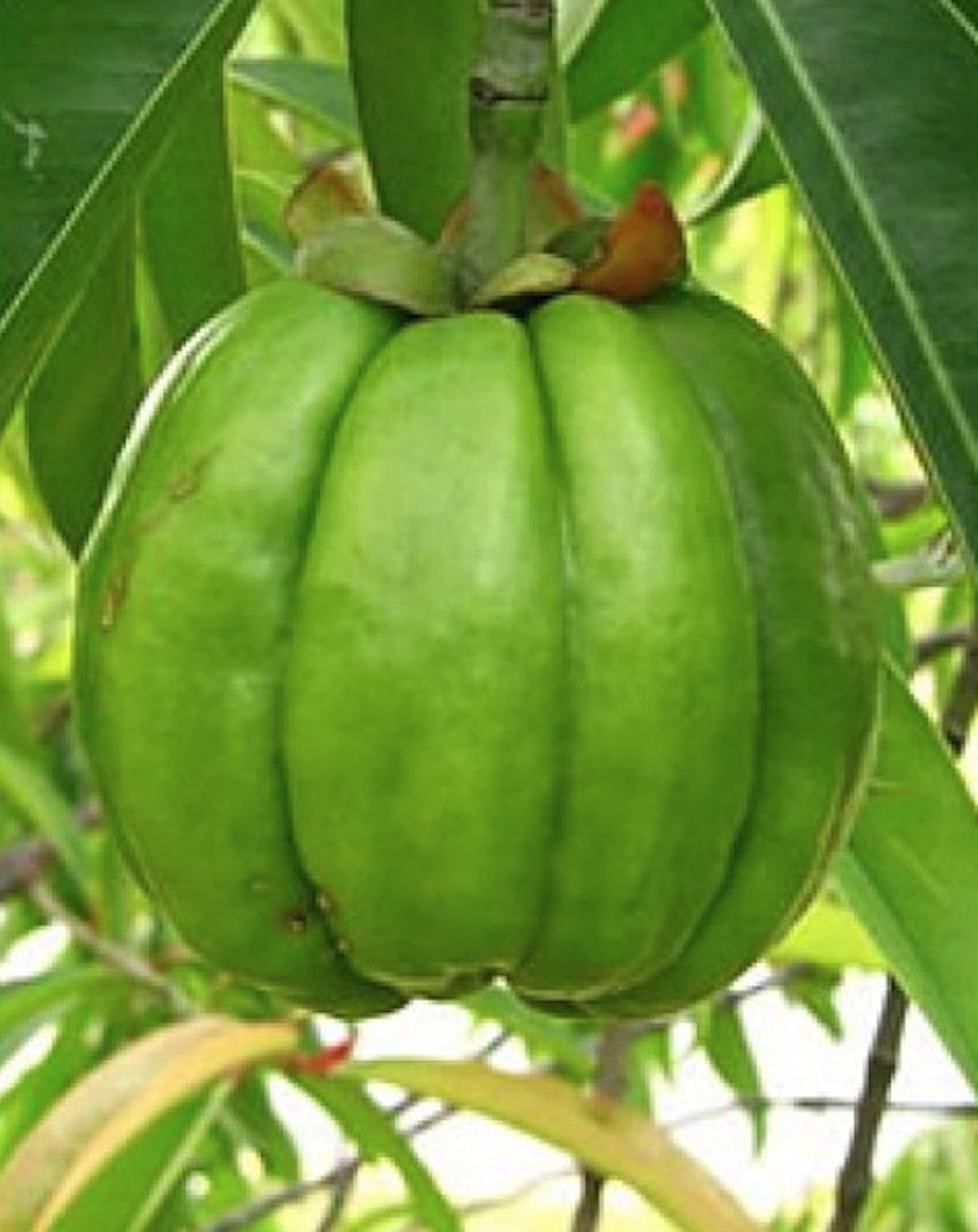
The Garcinia Cambogia plant.
Livia Lacolare/Flickr, CC BY

With respect to other health benefits from taking this supplement, the evidence to suggest it can improve blood cholesterol levels is lacking.

Most importantly, the product safety profile of Garcinia Cambogia has been adequately tested and there appear to be no issues.

Some complementary medicines have been found to contribute to improved health outcomes, through increased efficacy and cost-effectiveness. However, if there is to be a role for such complementary and alternative weight-loss products and medicines, we must build upon the evidence to investigate whether these increasingly popular products are a viable treatment option.

A recent Obesity Australia and Price Waterhouse Coopers report found obesity cost Australia A$8.6 billion in 2011-2012, with the indirect costs far higher. We must establish whether complementary medicines have a role to play in preventing and treating obesity. If we take no action to reduce obesity rates, an additional 2.4 million people will become obese at a cost of $87.7 billion over 10 years.


Please visit this website if you’re interested in taking part in our clinical weight-loss trials on Garcinia Cambogia and other weight-loss supplements.

Categories
Weight Loss Products

Science or Snake Oil: is Garcinia cambogia the magic weight-loss pill it’s hyped up to be?

The burgeoning field of complementary medicines, including weight-loss products, is now a billion-dollar industry. Every year, more people are spending disposable income on complementary and alternative medicines that may prove to have no benefit for our health.

Garcinia Cambogia is one such example. Marketed as a weight-loss pill, it has had an exponential rise in sales since it was featured on the Doctor Oz show.

Garcinia cambogia is the former scientific name of a native Southeast Asian plant, belonging to the family Clusiaceae, that bears a pumpkin-shaped fruit. The skin of the fruit contains the active ingredient, hydroxycitric acid (HCA). HCA inhibits an enzyme that produces fatty acid, thus suppressing fatty acid and the processing of cholesterol.

But does this mode of action translate to the weight-loss claims associated with it? Or is it just clever marketing convincing us this product helps us lose weight?

An Australian advertisement for the weight-loss supplement Garcinia Cambogia.
Screenshot, http://www.garciniacambogiasave.com/, CC BY

Double-blinded, randomised controlled trials are the gold standard of clinical study and whenever possible should be conducted to test the effectiveness of a treatment compared to a placebo. Weight-loss products should be assessed for a minimum of six months, with a further six-month follow-up period (12 months total).

There has never been a long-term study investigating the efficacy of Garcinia Cambogia. Most of the studies have been conducted in animals.

In fact, the majority of well-designed trials investigating the effect of this product on weight loss have found no effect that is of clinical relevance. In a 12-week double-blind, placebo-controlled trial conducted in humans, people receiving 3000mg of Garcinia Cambogia extract (1500mg of the active component HCA) per day lost the same amount of weight as the control group.

Another 12-week study with a four-week follow-up (16 weeks total) also found no greater weight-loss effect than for a placebo control group. For those studies where a statistically significant effect was reported, the weight loss was around one kilogram more than for those receiving a placebo pill.

Positive and greater weight losses were found in some studies, but this effect is suppressed when looking at all of the studies combined.

The Garcinia Cambogia plant.
Livia Lacolare/Flickr, CC BY

With respect to other health benefits from taking this supplement, the evidence to suggest it can improve blood cholesterol levels is lacking.

Most importantly, the product safety profile of Garcinia Cambogia has been adequately tested and there appear to be no issues.

Some complementary medicines have been found to contribute to improved health outcomes, through increased efficacy and cost-effectiveness. However, if there is to be a role for such complementary and alternative weight-loss products and medicines, we must build upon the evidence to investigate whether these increasingly popular products are a viable treatment option.

A recent Obesity Australia and Price Waterhouse Coopers report found obesity cost Australia A$8.6 billion in 2011-2012, with the indirect costs far higher. We must establish whether complementary medicines have a role to play in preventing and treating obesity. If we take no action to reduce obesity rates, an additional 2.4 million people will become obese at a cost of $87.7 billion over 10 years.


Please visit this website if you’re interested in taking part in our clinical weight-loss trials on Garcinia Cambogia and other weight-loss supplements.