Categories
Weight Loss Products

The Truth About Garcinia Cambogia

If you ask me, there’s really only one way to lose weight and keep it off, and that’s to adopt a healthy lifestyle. That includes eating nutritious meals and exercising daily.

But there are plenty of marketers out there would vehemently disagree – because magic pills make money. Acai berry, green tea extract and capsaicin all had their time in the spotlight.

But, let’s explore a supplement that has exploded on the weight loss scene more recently: Garcinia cambogia.

Garcinia cambogia is a small, pumpkin-shaped fruit. You may know it as tamarind. The extract of the fruit is called hydroxycitric acid, and that is what the “magic pills” are made from. But do they work? [9 Meal Schedules: When to Eat to Lose Weight]

Let’s explore the research:

1998 study published in the Journal of the American Medical Association: After a 12-week randomized, double-blind study of overweight men and women, researchers concluded that Garcinia cambogia did not produce significant weight or fat loss above the placebo.

2013 review in the journal Complementary Theories in Medicine: Researchers evaluated clinical trials that used plant extracts as potential treatment for obesity, and found that the evidence was not convincing in most cases. One exception was a combination of Garcinia cambogia taken with another herb called Gymnema sylvestre, which showed a slight increase in weight loss results. It’s a glimmer of hope, but surely, more research needs to be done on the subject.

2005 study in the journal Food and Chemical Toxicology: Researchers tested a high dose of Garcinia cambogia extract on obese male rats. The good news? The rats lost weight! The bad news? Extremely high doses seemed to cause testicular atrophy and toxicity. Yikes!

If you do decide to hop on the latest bandwagon, whether it is Garcinia cambogia or some other plant-based extract, proceed with caution. If you’re talking any prescription medications, talk to your doctor before adding any herbal supplement. There may be dangerous interactions. And as researchers saw in the 2005 study on rats, there may be consequences to taking large doses. [Related: Garcinia Cambogia Supplement Often Lacks Active Ingredient, Study Finds]

Until we have more research to draw from, we can’t know what is truly safe.

Healthy Bites appears weekly on LiveScience. Deborah Herlax Enos is a certified nutritionist and a health coach and weight loss expert in the Seattle area with more than 20 years of experience. Read more tips on her blog, Health in a Hurry!

Categories
Weight Loss Products

Science or Snake Oil: is Garcinia cambogia the magic weight-loss pill it’s hyped up to be?

The burgeoning field of complementary medicines, including weight-loss products, is now a billion-dollar industry. Every year, more people are spending disposable income on complementary and alternative medicines that may prove to have no benefit for our health.

Garcinia Cambogia is one such example. Marketed as a weight-loss pill, it has had an exponential rise in sales since it was featured on the Doctor Oz show.

Garcinia cambogia is the former scientific name of a native Southeast Asian plant, belonging to the family Clusiaceae, that bears a pumpkin-shaped fruit. The skin of the fruit contains the active ingredient, hydroxycitric acid (HCA). HCA inhibits an enzyme that produces fatty acid, thus suppressing fatty acid and the processing of cholesterol.

But does this mode of action translate to the weight-loss claims associated with it? Or is it just clever marketing convincing us this product helps us lose weight?

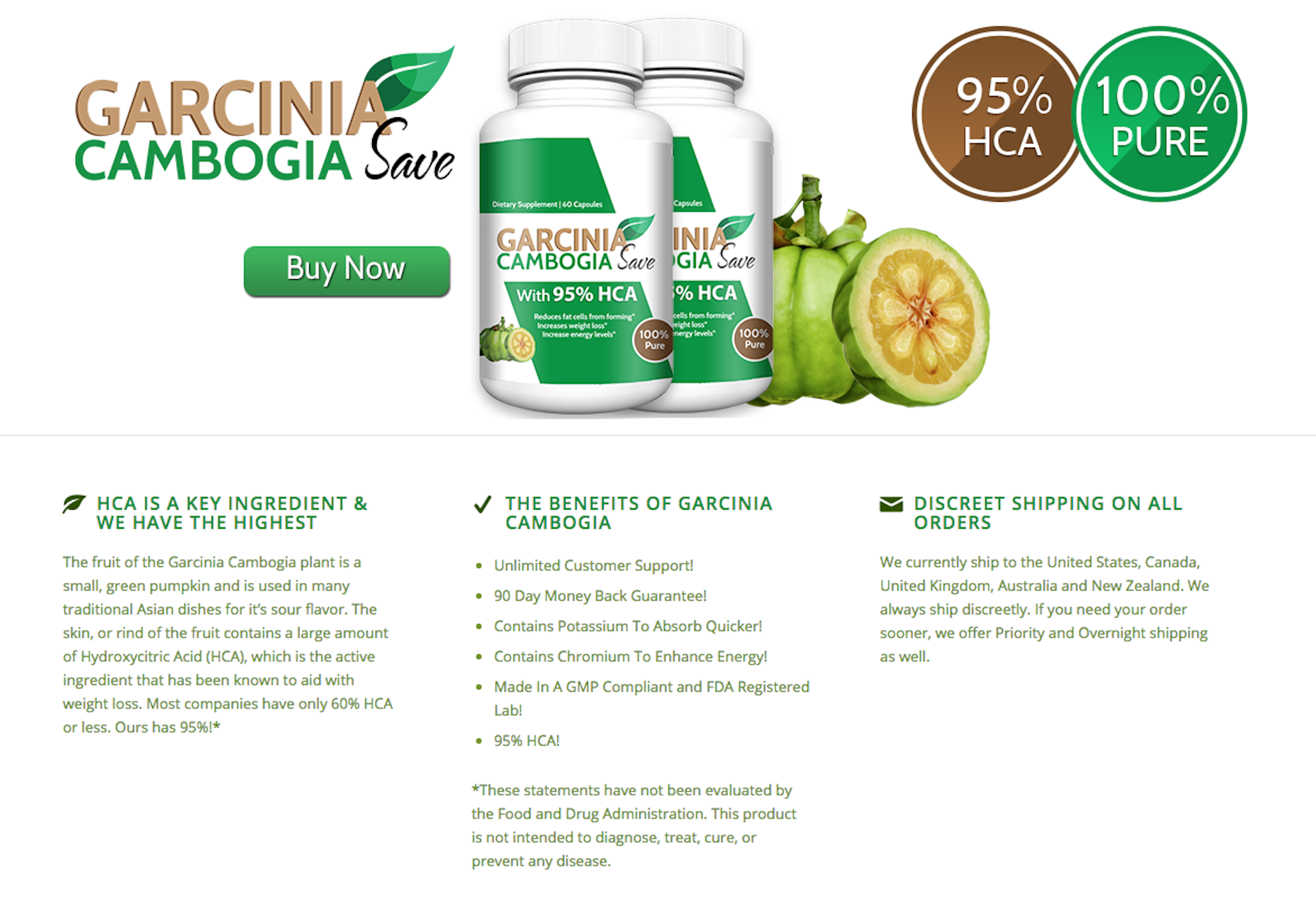
An Australian advertisement for the weight-loss supplement Garcinia Cambogia.
Screenshot, http://www.garciniacambogiasave.com/, CC BY

Double-blinded, randomised controlled trials are the gold standard of clinical study and whenever possible should be conducted to test the effectiveness of a treatment compared to a placebo. Weight-loss products should be assessed for a minimum of six months, with a further six-month follow-up period (12 months total).

There has never been a long-term study investigating the efficacy of Garcinia Cambogia. Most of the studies have been conducted in animals.

In fact, the majority of well-designed trials investigating the effect of this product on weight loss have found no effect that is of clinical relevance. In a 12-week double-blind, placebo-controlled trial conducted in humans, people receiving 3000mg of Garcinia Cambogia extract (1500mg of the active component HCA) per day lost the same amount of weight as the control group.

Another 12-week study with a four-week follow-up (16 weeks total) also found no greater weight-loss effect than for a placebo control group. For those studies where a statistically significant effect was reported, the weight loss was around one kilogram more than for those receiving a placebo pill.

Positive and greater weight losses were found in some studies, but this effect is suppressed when looking at all of the studies combined.

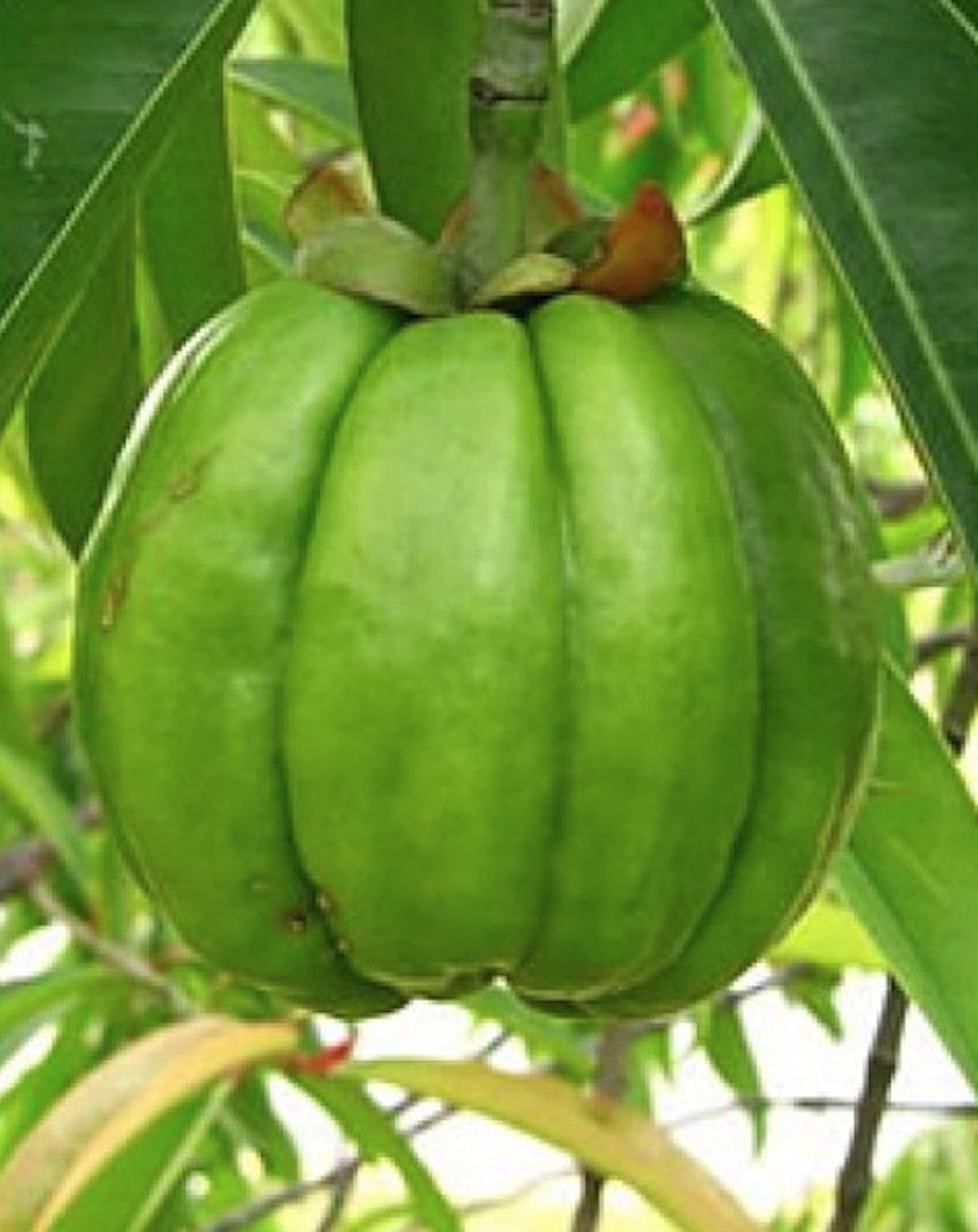
The Garcinia Cambogia plant.
Livia Lacolare/Flickr, CC BY

With respect to other health benefits from taking this supplement, the evidence to suggest it can improve blood cholesterol levels is lacking.

Most importantly, the product safety profile of Garcinia Cambogia has been adequately tested and there appear to be no issues.

Some complementary medicines have been found to contribute to improved health outcomes, through increased efficacy and cost-effectiveness. However, if there is to be a role for such complementary and alternative weight-loss products and medicines, we must build upon the evidence to investigate whether these increasingly popular products are a viable treatment option.

A recent Obesity Australia and Price Waterhouse Coopers report found obesity cost Australia A$8.6 billion in 2011-2012, with the indirect costs far higher. We must establish whether complementary medicines have a role to play in preventing and treating obesity. If we take no action to reduce obesity rates, an additional 2.4 million people will become obese at a cost of $87.7 billion over 10 years.


Please visit this website if you’re interested in taking part in our clinical weight-loss trials on Garcinia Cambogia and other weight-loss supplements.

Categories
Weight Loss Products

Science or Snake Oil: is Garcinia cambogia the magic weight-loss pill it’s hyped up to be?

The burgeoning field of complementary medicines, including weight-loss products, is now a billion-dollar industry. Every year, more people are spending disposable income on complementary and alternative medicines that may prove to have no benefit for our health.

Garcinia Cambogia is one such example. Marketed as a weight-loss pill, it has had an exponential rise in sales since it was featured on the Doctor Oz show.

Garcinia cambogia is the former scientific name of a native Southeast Asian plant, belonging to the family Clusiaceae, that bears a pumpkin-shaped fruit. The skin of the fruit contains the active ingredient, hydroxycitric acid (HCA). HCA inhibits an enzyme that produces fatty acid, thus suppressing fatty acid and the processing of cholesterol.

But does this mode of action translate to the weight-loss claims associated with it? Or is it just clever marketing convincing us this product helps us lose weight?

An Australian advertisement for the weight-loss supplement Garcinia Cambogia.
Screenshot, http://www.garciniacambogiasave.com/, CC BY

Double-blinded, randomised controlled trials are the gold standard of clinical study and whenever possible should be conducted to test the effectiveness of a treatment compared to a placebo. Weight-loss products should be assessed for a minimum of six months, with a further six-month follow-up period (12 months total).

There has never been a long-term study investigating the efficacy of Garcinia Cambogia. Most of the studies have been conducted in animals.

In fact, the majority of well-designed trials investigating the effect of this product on weight loss have found no effect that is of clinical relevance. In a 12-week double-blind, placebo-controlled trial conducted in humans, people receiving 3000mg of Garcinia Cambogia extract (1500mg of the active component HCA) per day lost the same amount of weight as the control group.

Another 12-week study with a four-week follow-up (16 weeks total) also found no greater weight-loss effect than for a placebo control group. For those studies where a statistically significant effect was reported, the weight loss was around one kilogram more than for those receiving a placebo pill.

Positive and greater weight losses were found in some studies, but this effect is suppressed when looking at all of the studies combined.

The Garcinia Cambogia plant.
Livia Lacolare/Flickr, CC BY

With respect to other health benefits from taking this supplement, the evidence to suggest it can improve blood cholesterol levels is lacking.

Most importantly, the product safety profile of Garcinia Cambogia has been adequately tested and there appear to be no issues.

Some complementary medicines have been found to contribute to improved health outcomes, through increased efficacy and cost-effectiveness. However, if there is to be a role for such complementary and alternative weight-loss products and medicines, we must build upon the evidence to investigate whether these increasingly popular products are a viable treatment option.

A recent Obesity Australia and Price Waterhouse Coopers report found obesity cost Australia A$8.6 billion in 2011-2012, with the indirect costs far higher. We must establish whether complementary medicines have a role to play in preventing and treating obesity. If we take no action to reduce obesity rates, an additional 2.4 million people will become obese at a cost of $87.7 billion over 10 years.


Please visit this website if you’re interested in taking part in our clinical weight-loss trials on Garcinia Cambogia and other weight-loss supplements.