Categories
Weight Loss Exercise

Interval Training

Interval training is a way of doing cardio that will give you the ability to make gains in time and distance much more easily than any other method. The principle of interval training is that you push yourself really hard and then you slow down.

This repetitive form of training leads to your body needing to adapt to changes and this is really great for you. The body begins to build new capillaries, and is better able to take in and deliver oxygen to the working muscles. Muscles develop a higher tolerance to the build-up of lactate, and the heart muscle is strengthened. These changes result in improved performance particularly within the cardiovascular system.

When people begin running they automatically do interval training where they will alternate walking and running to get a better workout in. As people get better at running they will start just running and not stopping until the 30 or 60 minute run is over. The upside of this is that you will get a much better workout and feel fantastically exhausted at the end, the downside of interval training is that you are going to be pushing your comfort zone so the workout itself is going to be painful

So how can you implement interval training into your regular workouts? I have a few examples. When you begin running as I said before you are going to have trouble running for any length of time so you decide that you are going for 20 minutes and you will do cycles of jogging for 30 seconds and then walking for 30 seconds. As you get better at running you will be able to jog for one minute and then walk for 30 seconds. You will notice that your rest stays the same but the running time increases until you get to the point that you do not need a rest for your 30 minute run.

As an advanced runner you are not going to slow down for a walk but instead your will run for 5 minutes and then break into a spring for 30 seconds or a minute and then slow back down to your regular pace. As another way to do interval training you can go to another location that is more hilly and use the uphills to change up your pace. The hills are going to force you push harder to keep the same pace and of course the downhills are going to use different muscles but as far as exertion goes you will find the running easier.

Try interval training soon either indoors on a treadmill or outdoors as long as the weather cooperates.

Categories
Weight Loss Exercise

Boycott the Biggest Loser TV Show

I wrote this article in anger a few months ago during season 4 of the Biggest Loser after Neil, one of the contestants gamed the Biggest Loser by cheating and drinking a couple of gallons of water right before the in. I am now again watching the Biggest Loser. But in reading this post you can see the anger that i had about the cheating and I certainly hope that the people that run the Biggest Loser do not let it happen again.

————————————————————————–

Well after three almost four seasons of watching the Biggest Loser as well as blogging about it I have now decided to boycott the show for good.

Anyone that saw tonight’s episode of the Biggest Loser was a horrible farce and hurt most of the contestants and I expect most of the viewers.

So, what happened tonight on the Biggest Loser, horrible gamesmanship. One of the teams conspired against everyone else but in the end one of the players, Neil, cheated by retaining water and gaining 17 pounds and instead of getting kicked out of the game he actually got what he wanted and that was for someone on one of the other teams kicked out.

There are of course no rules against trying to gain on the Biggest Loser but going this far is a terrible way to try to play the game.

NBC has always tried to plug the Biggest Loser as a motivational show where people come together and support each other to try to lose and change their lives but then they have allowed this to happen.

I know that there is no way to change this as the show is taped ahead of time so the next few weeks have already been taped but with falling ratings you have to think that NBC has conspired with the people on the show to create a ridiculous controversy that does nothing but piss of the viewers that still support the show.

for most people it is hard to lose and losing 1 or 2 pounds is all that most people really expect. For this show to inspire people with 10 pound losses and then to allow one person to game the show with a 17 pound gain is absolutely terrible in my eyes

Boycott the Biggest Loser by not watching it anymore.

Categories
Weight Loss Products

Science or Snake Oil: is Garcinia cambogia the magic weight-loss pill it’s hyped up to be?

The burgeoning field of complementary medicines, including weight-loss products, is now a billion-dollar industry. Every year, more people are spending disposable income on complementary and alternative medicines that may prove to have no benefit for our health.

Garcinia Cambogia is one such example. Marketed as a weight-loss pill, it has had an exponential rise in sales since it was featured on the Doctor Oz show.

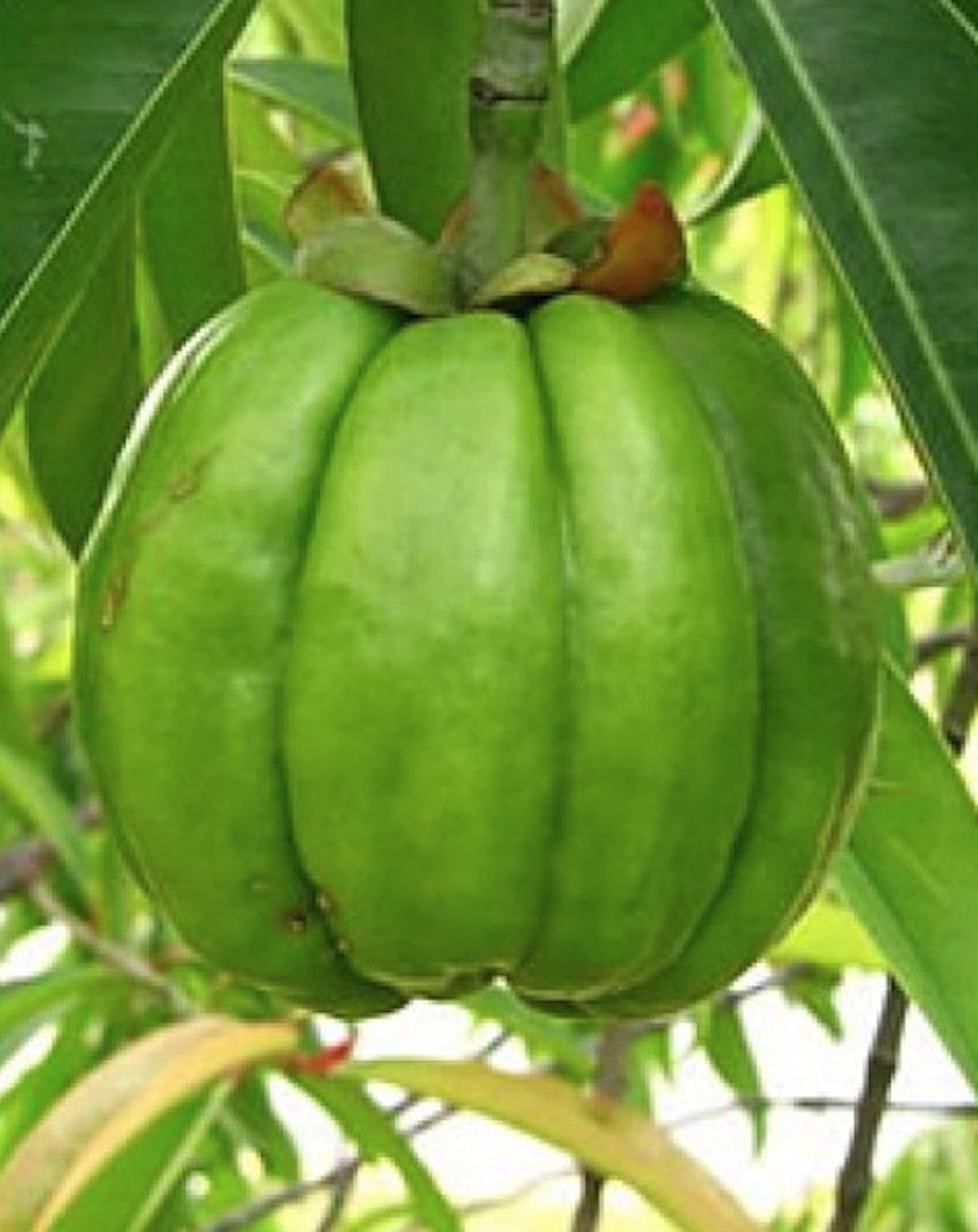
Garcinia cambogia is the former scientific name of a native Southeast Asian plant, belonging to the family Clusiaceae, that bears a pumpkin-shaped fruit. The skin of the fruit contains the active ingredient, hydroxycitric acid (HCA). HCA inhibits an enzyme that produces fatty acid, thus suppressing fatty acid and the processing of cholesterol.

But does this mode of action translate to the weight-loss claims associated with it? Or is it just clever marketing convincing us this product helps us lose weight?

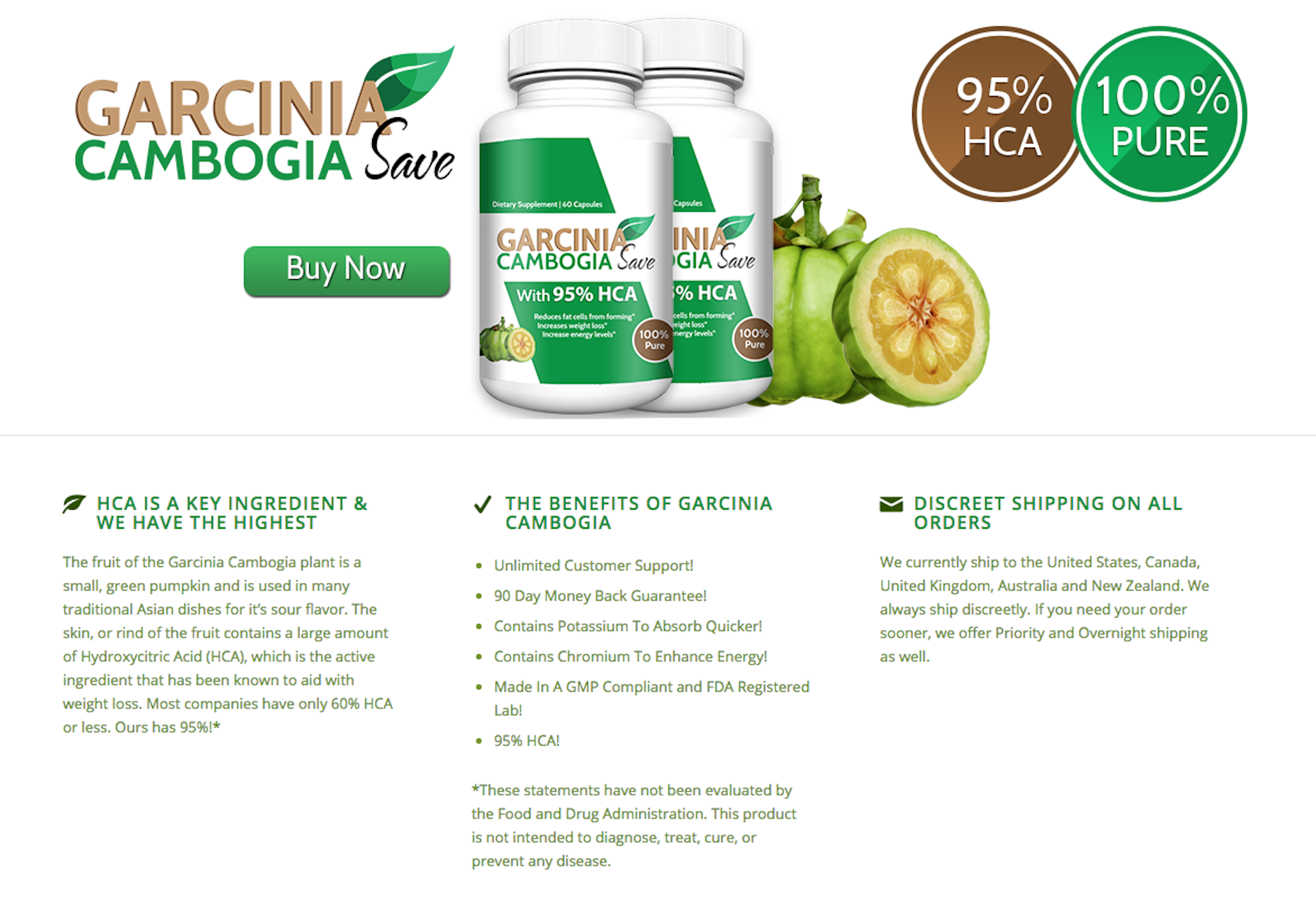
An Australian advertisement for the weight-loss supplement Garcinia Cambogia.
Screenshot, http://www.garciniacambogiasave.com/, CC BY

Double-blinded, randomised controlled trials are the gold standard of clinical study and whenever possible should be conducted to test the effectiveness of a treatment compared to a placebo. Weight-loss products should be assessed for a minimum of six months, with a further six-month follow-up period (12 months total).

There has never been a long-term study investigating the efficacy of Garcinia Cambogia. Most of the studies have been conducted in animals.

In fact, the majority of well-designed trials investigating the effect of this product on weight loss have found no effect that is of clinical relevance. In a 12-week double-blind, placebo-controlled trial conducted in humans, people receiving 3000mg of Garcinia Cambogia extract (1500mg of the active component HCA) per day lost the same amount of weight as the control group.

Another 12-week study with a four-week follow-up (16 weeks total) also found no greater weight-loss effect than for a placebo control group. For those studies where a statistically significant effect was reported, the weight loss was around one kilogram more than for those receiving a placebo pill.

Positive and greater weight losses were found in some studies, but this effect is suppressed when looking at all of the studies combined.

The Garcinia Cambogia plant.
Livia Lacolare/Flickr, CC BY

With respect to other health benefits from taking this supplement, the evidence to suggest it can improve blood cholesterol levels is lacking.

Most importantly, the product safety profile of Garcinia Cambogia has been adequately tested and there appear to be no issues.

Some complementary medicines have been found to contribute to improved health outcomes, through increased efficacy and cost-effectiveness. However, if there is to be a role for such complementary and alternative weight-loss products and medicines, we must build upon the evidence to investigate whether these increasingly popular products are a viable treatment option.

A recent Obesity Australia and Price Waterhouse Coopers report found obesity cost Australia A$8.6 billion in 2011-2012, with the indirect costs far higher. We must establish whether complementary medicines have a role to play in preventing and treating obesity. If we take no action to reduce obesity rates, an additional 2.4 million people will become obese at a cost of $87.7 billion over 10 years.


Please visit this website if you’re interested in taking part in our clinical weight-loss trials on Garcinia Cambogia and other weight-loss supplements.