
Categories
Weight Loss Products

Science or Snake Oil: is Garcinia cambogia the magic weight-loss pill it’s hyped up to be?

The burgeoning field of complementary medicines, including weight-loss products, is now a billion-dollar industry. Every year, more people are spending disposable income on complementary and alternative medicines that may prove to have no benefit for our health.

Garcinia Cambogia is one such example. Marketed as a weight-loss pill, it has had an exponential rise in sales since it was featured on the Doctor Oz show.

Garcinia cambogia is the former scientific name of a native Southeast Asian plant, belonging to the family Clusiaceae, that bears a pumpkin-shaped fruit. The skin of the fruit contains the active ingredient, hydroxycitric acid (HCA). HCA inhibits an enzyme that produces fatty acid, thus suppressing fatty acid and the processing of cholesterol.

But does this mode of action translate to the weight-loss claims associated with it? Or is it just clever marketing convincing us this product helps us lose weight?
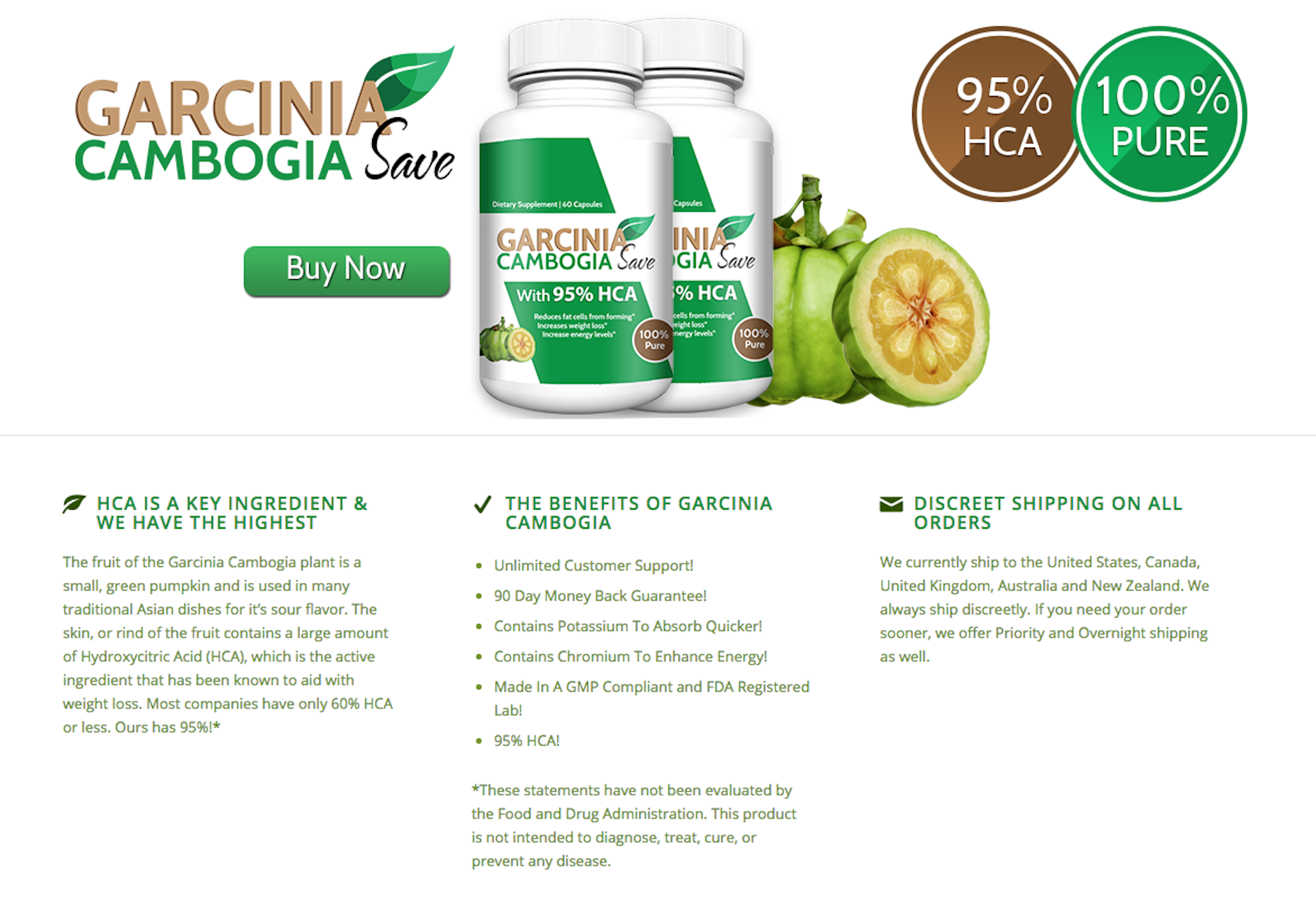
An Australian advertisement for the weight-loss supplement Garcinia Cambogia.
Screenshot, http://www.garciniacambogiasave.com/, CC BY

Double-blinded, randomised controlled trials are the gold standard of clinical study and whenever possible should be conducted to test the effectiveness of a treatment compared to a placebo. Weight-loss products should be assessed for a minimum of six months, with a further six-month follow-up period (12 months total).

There has never been a long-term study investigating the efficacy of Garcinia Cambogia. Most of the studies have been conducted in animals.

In fact, the majority of well-designed trials investigating the effect of this product on weight loss have found no effect that is of clinical relevance. In a 12-week double-blind, placebo-controlled trial conducted in humans, people receiving 3000mg of Garcinia Cambogia extract (1500mg of the active component HCA) per day lost the same amount of weight as the control group.

Another 12-week study with a four-week follow-up (16 weeks total) also found no greater weight-loss effect than for a placebo control group. For those studies where a statistically significant effect was reported, the weight loss was around one kilogram more than for those receiving a placebo pill.

Positive and greater weight losses were found in some studies, but this effect is suppressed when looking at all of the studies combined.
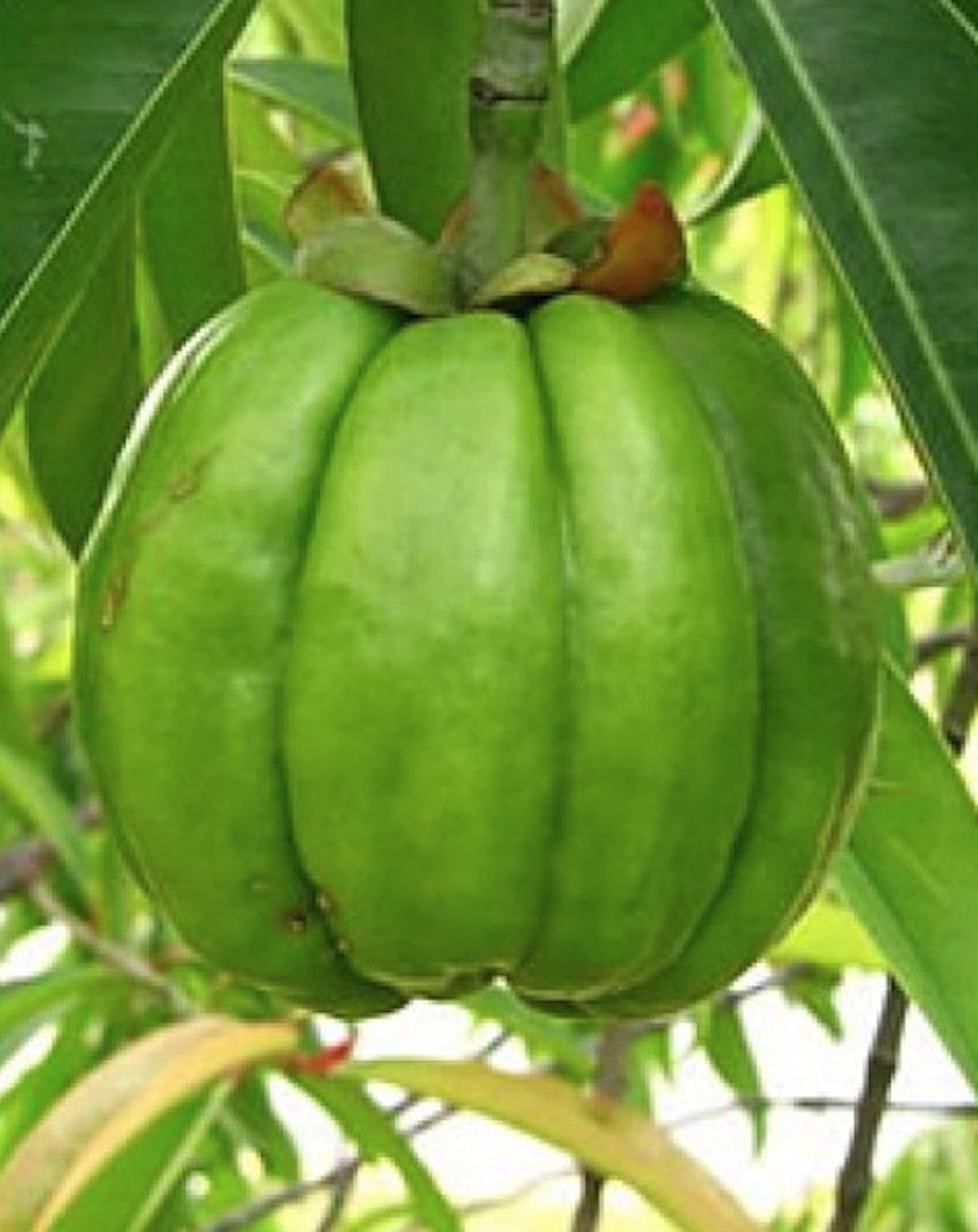
The Garcinia Cambogia plant.
Livia Lacolare/Flickr, CC BY

With respect to other health benefits from taking this supplement, the evidence to suggest it can improve blood cholesterol levels is lacking.

Most importantly, the product safety profile of Garcinia Cambogia has been adequately tested and there appear to be no issues.

Some complementary medicines have been found to contribute to improved health outcomes, through increased efficacy and cost-effectiveness. However, if there is to be a role for such complementary and alternative weight-loss products and medicines, we must build upon the evidence to investigate whether these increasingly popular products are a viable treatment option.

A recent Obesity Australia and Price Waterhouse Coopers report found obesity cost Australia A$8.6 billion in 2011-2012, with the indirect costs far higher. We must establish whether complementary medicines have a role to play in preventing and treating obesity. If we take no action to reduce obesity rates, an additional 2.4 million people will become obese at a cost of $87.7 billion over 10 years.


Please visit this website if you’re interested in taking part in our clinical weight-loss trials on Garcinia Cambogia and other weight-loss supplements.

Categories
Weight Loss Products

What To Know About Garcinia Cambogia For Weight Loss

If there’s one thing that’s been proven time and again, it’s that there is no magic pill for weight loss.

And yet, “quick fixes” keep popping up everywhere…and they’re usually pretty problematic (I see you, detox teas). Another example: garcinia cambogia extract—an ingredient most commonly found in weight-loss supplements.

Uh, what exactly is garcinia cambogia?

Garcinia cambogia—a.k.a. Malabar tamarind—is a fruit commonly grown in India and Southeast Asia, according to the National Center for Complementary and Integrative Health (NCCIH). The rind of the fruit is often used to flavor curries and to preserve food.

That rind, however, also contains a chemical called hydroxycitric acid (HCA), which is where the plant’s weight-loss claims come into play—HCA has been studied for weight loss through appetite suppression, per the NCCIH (which is why supplements that contain garcinia cambogia extract are also thought to help you lose weight).

So…is it true? Can garcinia cambogia help you lose weight?

While, yes, there have been studies on garcinia cambogia and weight loss, they haven’t necessarily been reliable (nor are they recent, for that matter).

In a research review set to be published in 2019, researchers found that only five randomized, controlled studies of garcinia cambogia’s effect on weight loss have been done in the last 50 years, according to Scott Kahan, M.D., M.P.H., director of the National Center for Weight Wellness, who carried out the study. (FYI: there have been more than 14,000 studies on unfounded therapies for weight loss in that time, he says.)

What’s more: In those five studies, participants saw very little weight loss. “The most positive study showed that several months of taking garcinia cambogia may lead to one pound of weight loss, at best,” says Kahan—placebo pills were usually more effective.

Well, is garcinia cambogia harmful?

According to Kahan’s research, there are very few severe side effects of garcina cambogia (he only found a few examples of diarrhea, brain fog and, in rare cases, liver damage). And according to the NCCIH, garcinia cambogia is pretty safe for short-term use (12 weeks or fewer).

But while garcinia cambogia itself may not be terrible, the ingredients it comes packaged with in some weight-loss supplements can be.

In 2017, for example, the Food and Drug Administration (FDA) issued a warning about the weight-loss supplement Fruta Planta Life, which is marketed as “Garcinia Cambogia Premium” and contains garcinia cambogia extract and sibutramine (Meridia), an appetite suppressant that was removed from the market in 2010 due to safety concerns. Sibutramine had been shown to increase the risk of heart attack and stroke, cause jaundice, and trigger seizures—pretty nasty stuff.

Another thing to note: since garcinia cambogia extract diet pills are supplements, not drugs, the FDA doesn’t regulate their use or review their effectiveness or safety unless their use becomes linked to multiple hospitalizations, says Sue Decotiis, M.D., a medical weight-loss expert. That means that it’s up to manufacturers to decide how much garcinia cambogia extract their pills pack, as well as what other health-impacting ingredients (like sibutramine) are added to the mix.

I probably shouldn’t take garcinia cambogia…right?

Uh yeah, it’s best to skip it. Possible side effects aside, Kahan says any weight-loss supplement containing garcinia cambogia is a waste of money.

And honestly, that goes for weight-loss supplements in general. “Unlike medical therapies, supplements and various diets and practices are not bound by strict requirements for clinical evaluation and evidence,” says Kahan, adding that “it’s unlikely that all the advertised claims are true.”

Basically, diet supplements—including ones containing garcinia cambogia—aren’t worth the risk, or money. If you want to lose weight, speak to your doctor first, and focus on combining a healthy, balanced diet with regular exercise, suggests Kahan.

The bottom line: Don’t waste your money on any weight-loss supplements (including ones with garcinia cambogia). At best, they’re ineffective; at worst, they’re harmful.

Categories
Weight Loss Products

Science or Snake Oil: is Garcinia cambogia the magic weight-loss pill it’s hyped up to be?

The burgeoning field of complementary medicines, including weight-loss products, is now a billion-dollar industry. Every year, more people are spending disposable income on complementary and alternative medicines that may prove to have no benefit for our health.

Garcinia Cambogia is one such example. Marketed as a weight-loss pill, it has had an exponential rise in sales since it was featured on the Doctor Oz show.

Garcinia cambogia is the former scientific name of a native Southeast Asian plant, belonging to the family Clusiaceae, that bears a pumpkin-shaped fruit. The skin of the fruit contains the active ingredient, hydroxycitric acid (HCA). HCA inhibits an enzyme that produces fatty acid, thus suppressing fatty acid and the processing of cholesterol.

But does this mode of action translate to the weight-loss claims associated with it? Or is it just clever marketing convincing us this product helps us lose weight?

An Australian advertisement for the weight-loss supplement Garcinia Cambogia.
Screenshot, http://www.garciniacambogiasave.com/, CC BY

Double-blinded, randomised controlled trials are the gold standard of clinical study and whenever possible should be conducted to test the effectiveness of a treatment compared to a placebo. Weight-loss products should be assessed for a minimum of six months, with a further six-month follow-up period (12 months total).

There has never been a long-term study investigating the efficacy of Garcinia Cambogia. Most of the studies have been conducted in animals.

In fact, the majority of well-designed trials investigating the effect of this product on weight loss have found no effect that is of clinical relevance. In a 12-week double-blind, placebo-controlled trial conducted in humans, people receiving 3000mg of Garcinia Cambogia extract (1500mg of the active component HCA) per day lost the same amount of weight as the control group.

Another 12-week study with a four-week follow-up (16 weeks total) also found no greater weight-loss effect than for a placebo control group. For those studies where a statistically significant effect was reported, the weight loss was around one kilogram more than for those receiving a placebo pill.

Positive and greater weight losses were found in some studies, but this effect is suppressed when looking at all of the studies combined.

The Garcinia Cambogia plant.
Livia Lacolare/Flickr, CC BY

With respect to other health benefits from taking this supplement, the evidence to suggest it can improve blood cholesterol levels is lacking.

Most importantly, the product safety profile of Garcinia Cambogia has been adequately tested and there appear to be no issues.

Some complementary medicines have been found to contribute to improved health outcomes, through increased efficacy and cost-effectiveness. However, if there is to be a role for such complementary and alternative weight-loss products and medicines, we must build upon the evidence to investigate whether these increasingly popular products are a viable treatment option.

A recent Obesity Australia and Price Waterhouse Coopers report found obesity cost Australia A$8.6 billion in 2011-2012, with the indirect costs far higher. We must establish whether complementary medicines have a role to play in preventing and treating obesity. If we take no action to reduce obesity rates, an additional 2.4 million people will become obese at a cost of $87.7 billion over 10 years.


Please visit this website if you’re interested in taking part in our clinical weight-loss trials on Garcinia Cambogia and other weight-loss supplements.